

Winter Storm Warnings Bring Truck Travel Restrictions
Written by Tammy · December 13, 2024
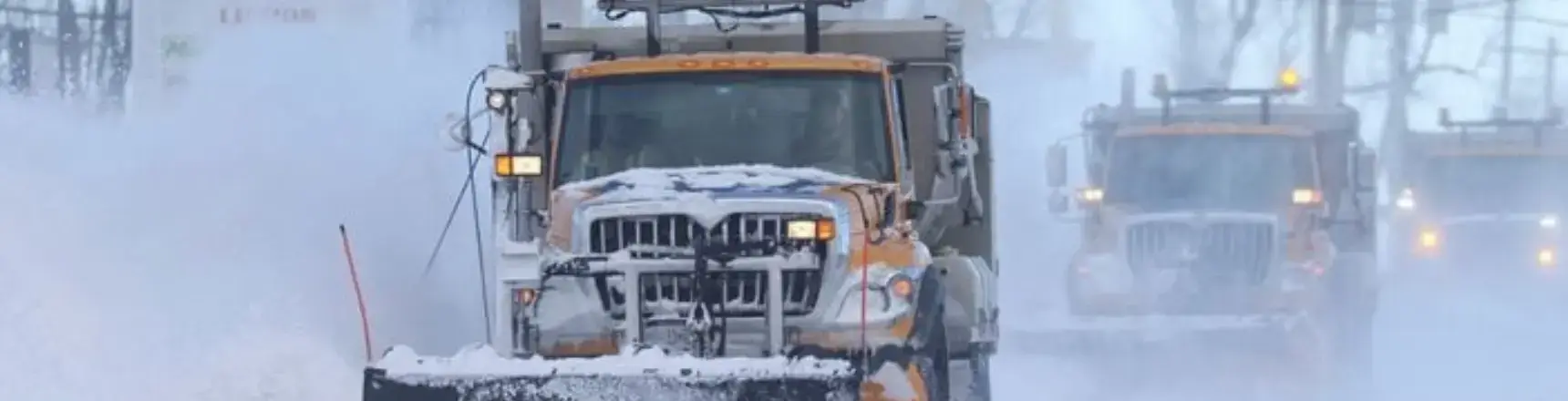
With harsh winter weather already making an impact this season, both New York and Pennsylvania have announced travel restrictions for commercial vehicles. These restrictions aim to ensure safety on the roads as the states prepare for heavy snowfall and icy conditions.
Every year, winter storms create challenges for drivers, especially those operating large commercial vehicles. Snow, ice, and high winds can make driving incredibly dangerous, not just for truck drivers but for everyone sharing the road. By implementing these restrictions, officials hope to reduce the risk of accidents and keep the highways as safe as possible.
Where Do These Restrictions Apply?
In New York, the Department of Transportation has placed limitations on several major highways. These include I-81, I-86/Route 17, and I-90, which are prone to hazardous conditions during snowstorms. Pennsylvania has issued similar restrictions, focusing on high-risk routes such as I-80 and I-99, where heavy snow and ice often create treacherous driving conditions.
Who Is Affected by These Rules?
The restrictions specifically target large commercial vehicles, including tractor-trailers, buses, and other oversized rigs. However, passenger vehicles are also encouraged to stay off the roads unless absolutely necessary. Authorities stress the importance of avoiding unnecessary travel during severe weather events.
How Will These Restrictions Impact the Trucking Industry?
While safety is a top priority, travel restrictions can create significant challenges for trucking companies and drivers. Delays in deliveries, increased fuel costs from detours, and tighter schedules are just a few of the ripple effects. However, these measures are critical for ensuring the safety of drivers and preventing costly accidents.
What Can Drivers Do to Prepare?
Truck drivers navigating these regions are advised to check weather forecasts and road conditions frequently. Planning alternative routes and allowing extra time for deliveries are essential steps. Additionally, making sure the truck is winter-ready - with properly inflated tires, full fuel tanks, and functioning defrost systems - can make a big difference.
You might also like

Capitol Christmas Tree Embarks on Its Journey Across the Nation
This holiday season, the U.S. Capitol Christmas Tree, lovingly known as the “People’s Tree,” is on an epic journey from the Tongass National Forest in Alaska…
Brake Safety Week 2023: 1,900 U.S. Vehicles Taken Off the Road
During Brake Safety Week, inspectors across North America work tirelessly to ensure commercial vehicles are safe to operate. This year, nearly 1,900 trucks…

9K Cummins X15 Engines Recalled Due to Fuel Pump Issue
Cummins Inc. is recalling over 9,000 X15 diesel engines due to potential fuel pump issues that could cause leaks and engine stalls. Meanwhile, TIA announces a…